Gutter overflow is more than just an unsightly nuisance; it can lead to significant issues for your home if left unchecked. The primary function of gutters is to channel rainwater away from your roof and foundation, ensuring that water is properly drained. However, when gutters become clogged or fail to function correctly, the consequences can be dire. In this article, we will explore the potential dangers of gutter overflow and provide essential steps you can take to avert disaster.
Understanding the Risks of Gutter Overflow
When gutters overflow, rainwater can spill over the edges and pool around your home’s foundation. This situation presents several risks:
Water Damage Repair: Excess water can seep into your home, leading to extensive damage in walls, ceilings, and flooring. The cost of water damage repair can escalate quickly if not addressed promptly.
Basement Flooding: One of the most immediate consequences of gutter overflow is basement flooding. Water pooling around the foundation can find its way into basements, creating a damp environment that may lead to mold growth and structural damage.
Foundation Erosion: Continuous exposure to excess water can erode soil around your foundation, compromising its integrity and stability. Over time, this erosion can lead to cracks in your foundation, requiring expensive repairs.
Roof Water Leaks: Clogged gutters can also cause water to back up onto your roof, leading to leaks and damage that may not be visible until significant harm has been done.
Downspout Clogs: Often overlooked, downspouts play a crucial role in directing water away from your home. If they are clogged or damaged, even well-functioning gutters cannot prevent overflow.
Recognizing Signs of Gutter Issues
Before gutter overflow becomes a disaster, it’s essential to recognize the warning signs:
- Visible Overflow: The most apparent sign is water spilling over the edges of your gutters during rainfall. Sagging Gutters: If you notice sagging or separation from your house, it may indicate blockage or structural failure. Pooling Water: Observe whether there are puddles forming near the base of your home after rain. Mold Growth: Mold on walls or ceilings may indicate that moisture has infiltrated due to improper drainage. Insect Infestations: Standing water in clogged gutters can attract insects like mosquitoes.
If you notice any of these signs, it’s imperative to take action immediately.
Steps to Take When You Notice Gutter Overflow
1. Inspect Your Gutters
The first step in addressing gutter overflow is conducting a thorough inspection of your gutter system. Look for signs of blockage such as leaves, twigs, or debris that may be obstructing flow. Pay special attention to downspouts for clogs since they are vital in directing rainwater away from your home.
View Gutter Guard Installation Exton Pennsylvania in a full screen map
" width="560" height="315" frameborder="0" allowfullscreen="" >
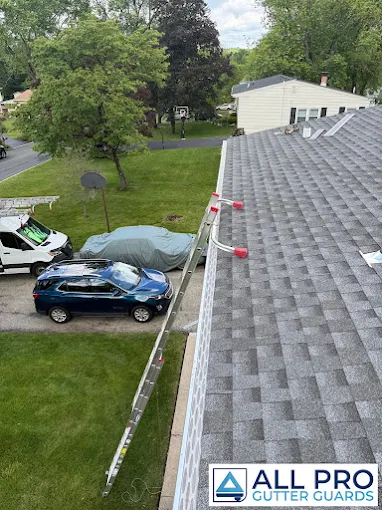
2. Clear Clogged Gutters
Once you've identified blockages, it's time for gutter blockage removal. Depending on the severity of the clog and your comfort level with heights:
- Use a ladder (with safety precautions) to access the gutters. Wear gloves and use a scoop or trowel to remove debris manually. For stubborn clogs deeper in the downspouts, consider using a plumber's snake or a high-pressure hose nozzle.
If you're unable or unwilling to perform this task yourself due to safety concerns or lack of experience with heights, hiring a professional service skilled in gutter cleaning and maintenance might be wise.
3. Ensure Proper Downspout Functionality
After clearing clogs from both gutters and downspouts, check that downspouts are discharging water at least three feet away from your home's foundation. If necessary, extend them further using flexible downspout extensions available at hardware stores.
4. Regular Maintenance
To prevent future occurrences of gutter overflow:
- Schedule regular inspections (at least twice a year) during spring and fall when leaves are likely to accumulate. Consider installing gutter guards or screens designed to minimize debris buildup while allowing proper drainage.
5. Monitor Weather Patterns
Be proactive by keeping an eye on weather forecasts when heavy rains are predicted. Check your gutters beforehand; if necessary, perform maintenance before storms hit.
6. Address Roof Issues
If you’re experiencing repeated problems with roof water leaks https://apgutterguards.com/exton-pa/ due to overflowing gutters despite regular cleaning efforts; it might be time for an inspection by a roofing professional who can assess if repairs are needed on shingles or flashing systems that direct rainwater into gutters effectively.
Conclusion
Preventing gutter overflow is critical for maintaining the health and longevity of your home’s structure. By recognizing warning signs early and taking proactive measures such as regular inspections and maintenance routines—including timely clogged gutter removal—you’ll significantly reduce risks associated with water damage repair as well as foundation erosion caused by persistent rainwater drainage issues.
Frequently Asked Questions
How often should I inspect my gutters?- It’s recommended to inspect your gutters at least twice a year—once in spring and once in fall—to ensure they are clear from debris.
- If you discover substantial damage while inspecting your gutters or roof system—such as rusted sections or large cracks—it’s best to consult with professionals specializing in roofing repairs or gutter installations for expert advice.
- Yes! Many homeowners opt for DIY installation of gutter guards since most products come with clear instructions; however—if unsure about installation techniques—it may be beneficial hiring someone experienced.
- Yes! Trees like oaks or maples tend to shed larger leaves that accumulate quickly in gutters compared with smaller pine needles which create different clogging challenges altogether!
- If you’re uncomfortable working at heights—or simply lack time—hiring professionals ensures thorough cleaning while preventing potential accidents!
By staying vigilant about maintaining one's gutter system through periodic checks along with timely cleanings—and addressing issues proactively—you’ll protect not only against inconvenience but also safeguard against costly repairs down the line!